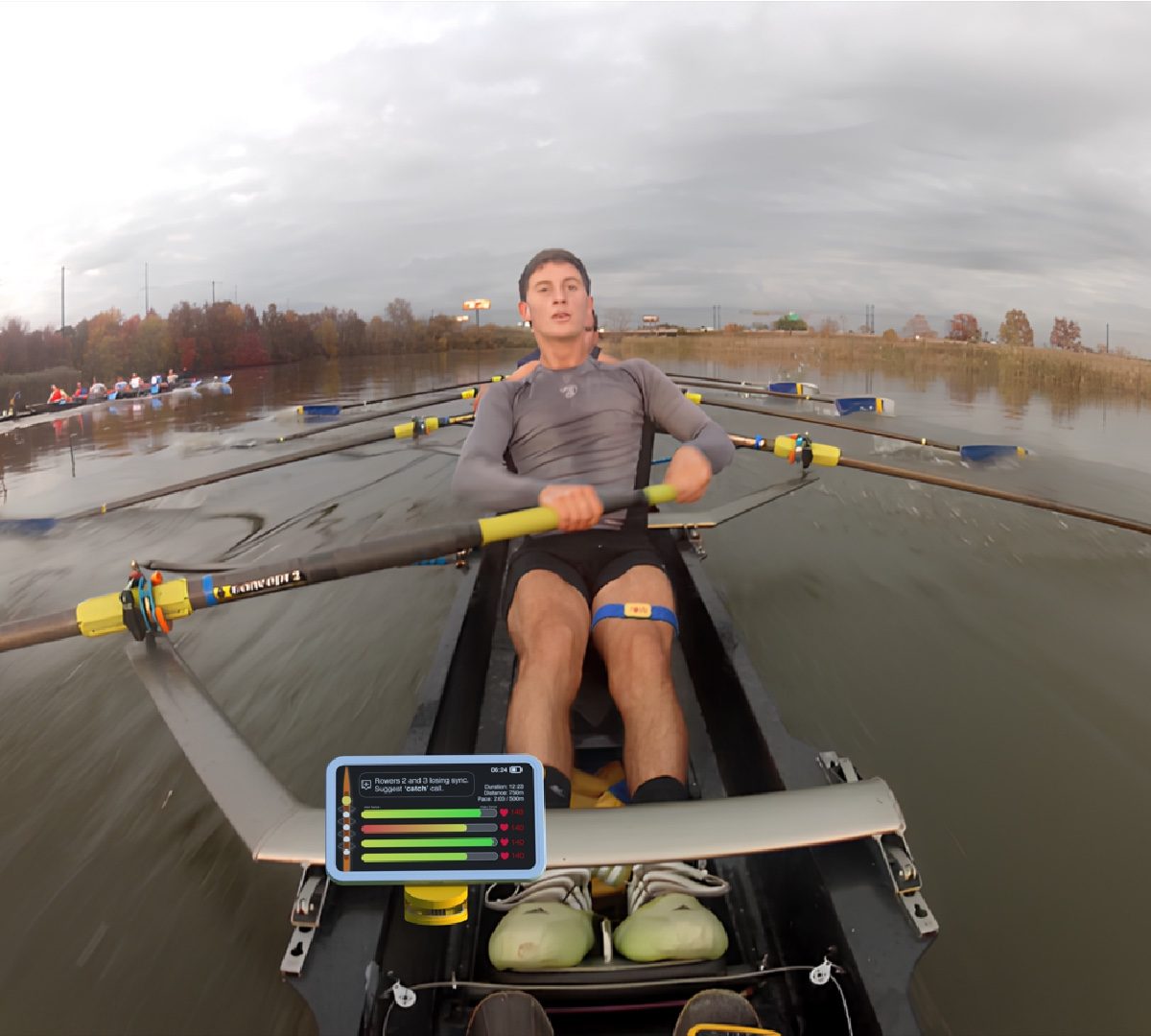
The problem. In a rowing boat, coaching happens through the coxswain's voice. But calls are made on feel — there's no shared, real-time picture of who is losing sync, whose heart rate is spiking, or when fatigue is about to break the crew's rhythm.
My role. Individual graduation project at ITU. I ran the field research with rowers and coaches, defined the system, and carried it through concept, interaction, CMF and production-level detailing — hardware, interface and wristband.
01 — The system
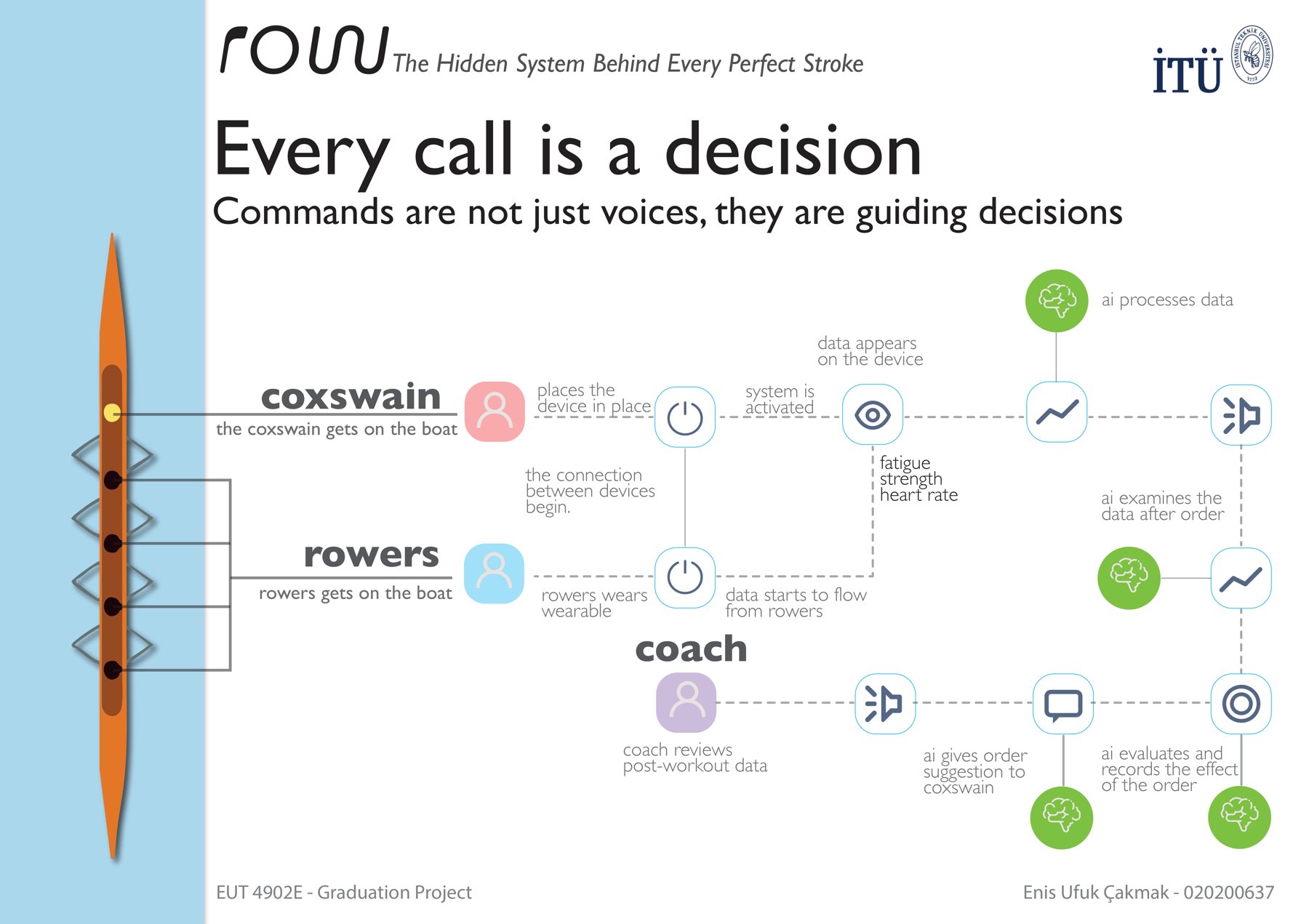
Every call is a decision. Row turns the boat into one connected feedback loop between rowers, coxswain and coach.
02 — Coxswain mount
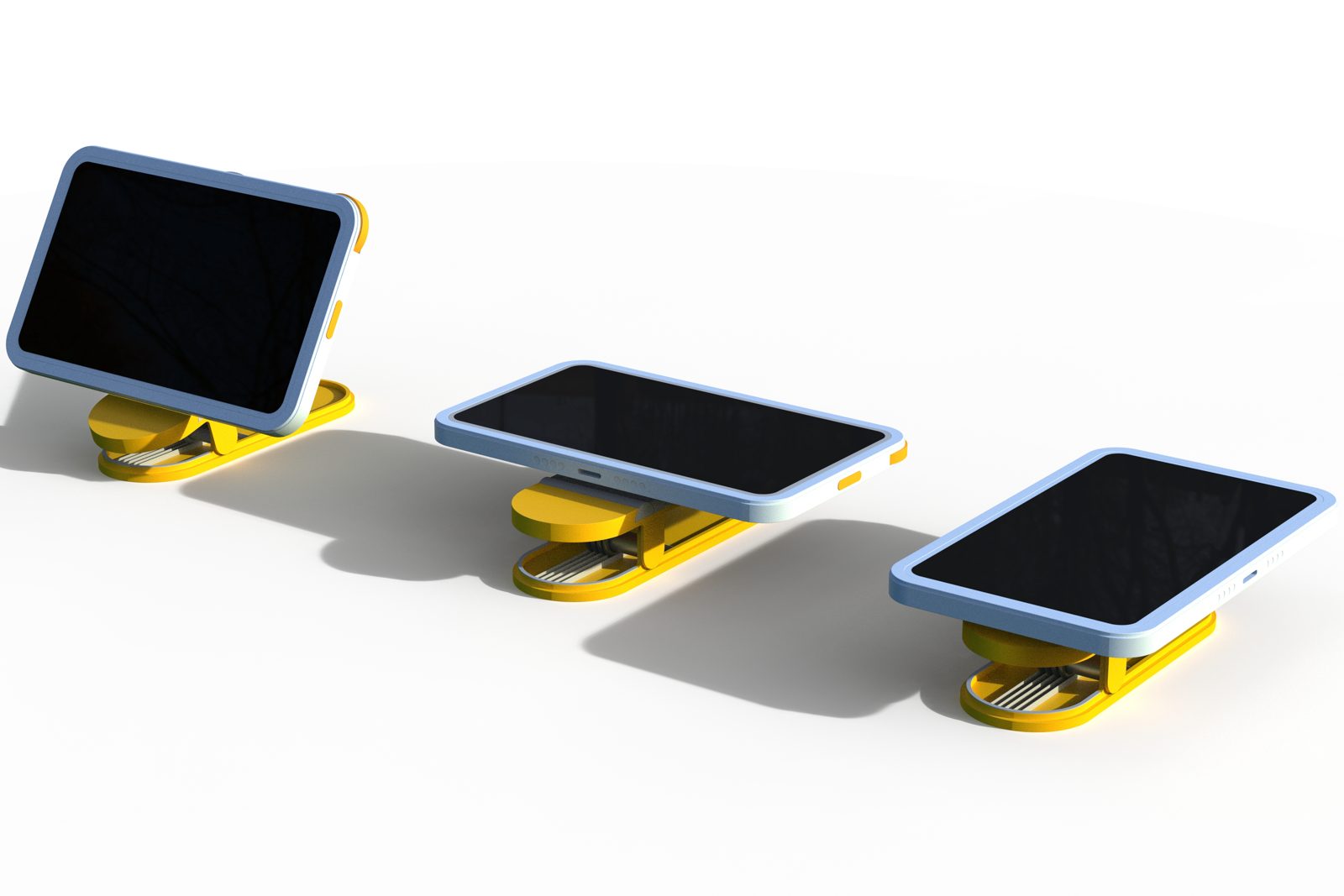
Clip it. Place it. Rotate it.
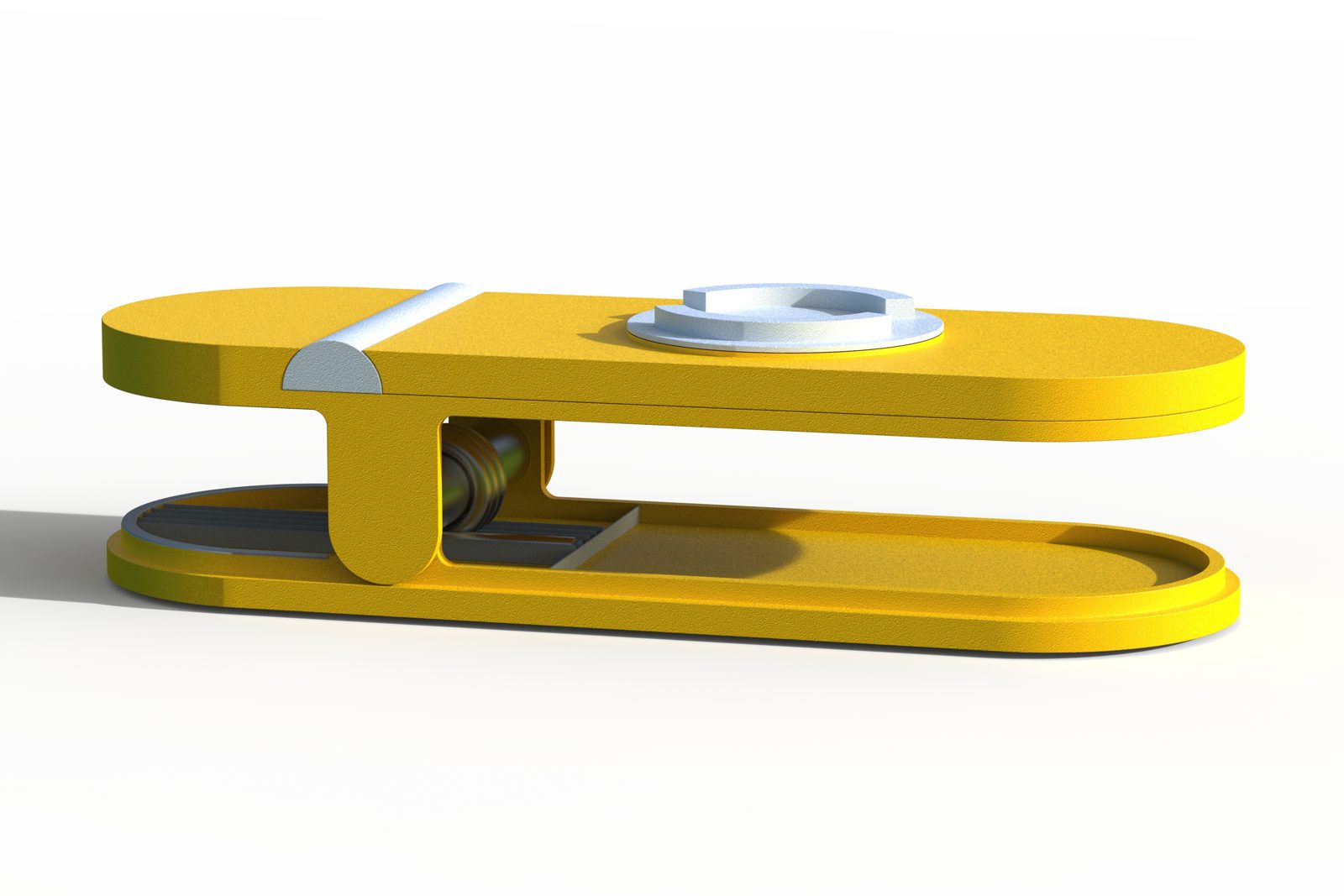
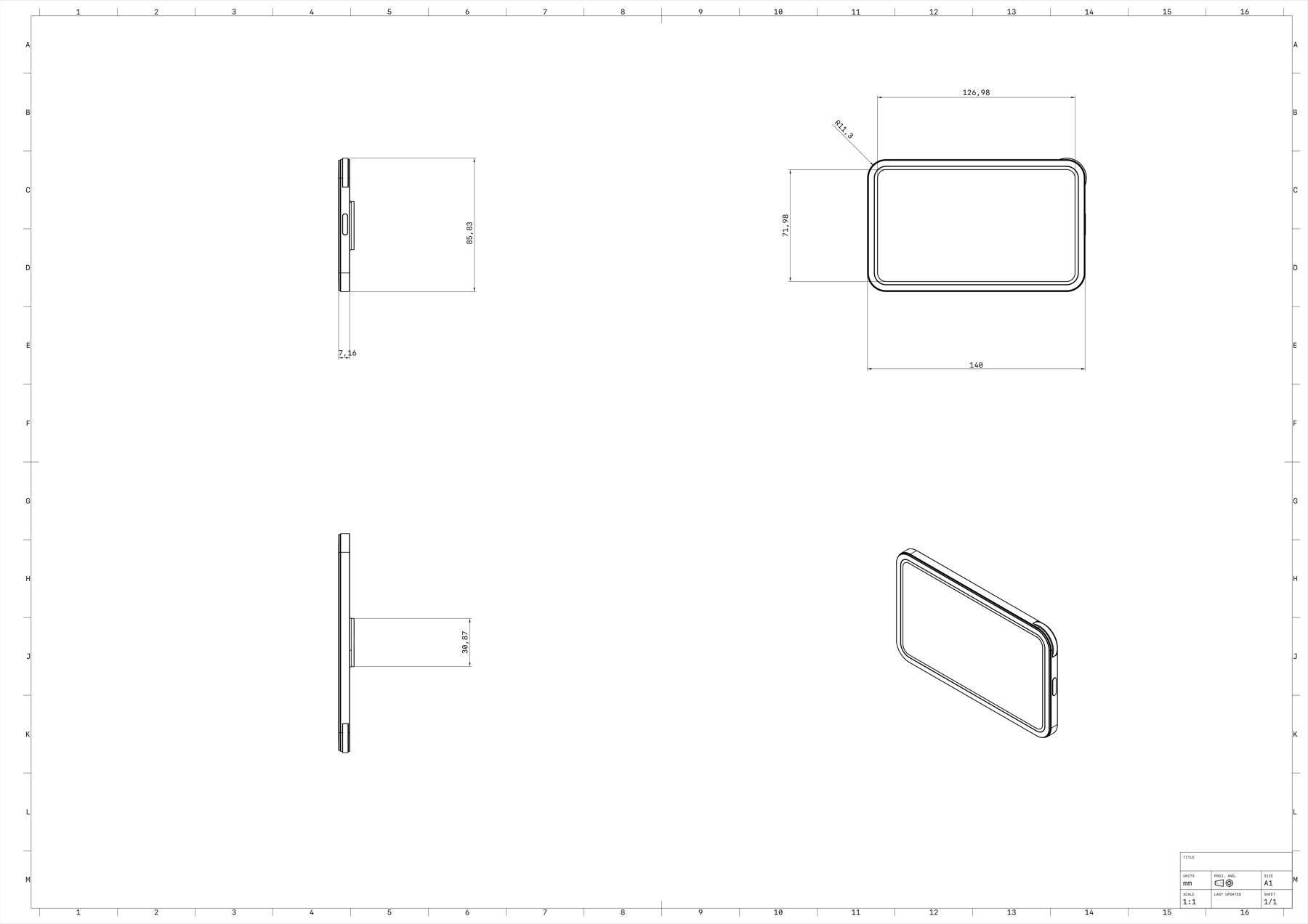
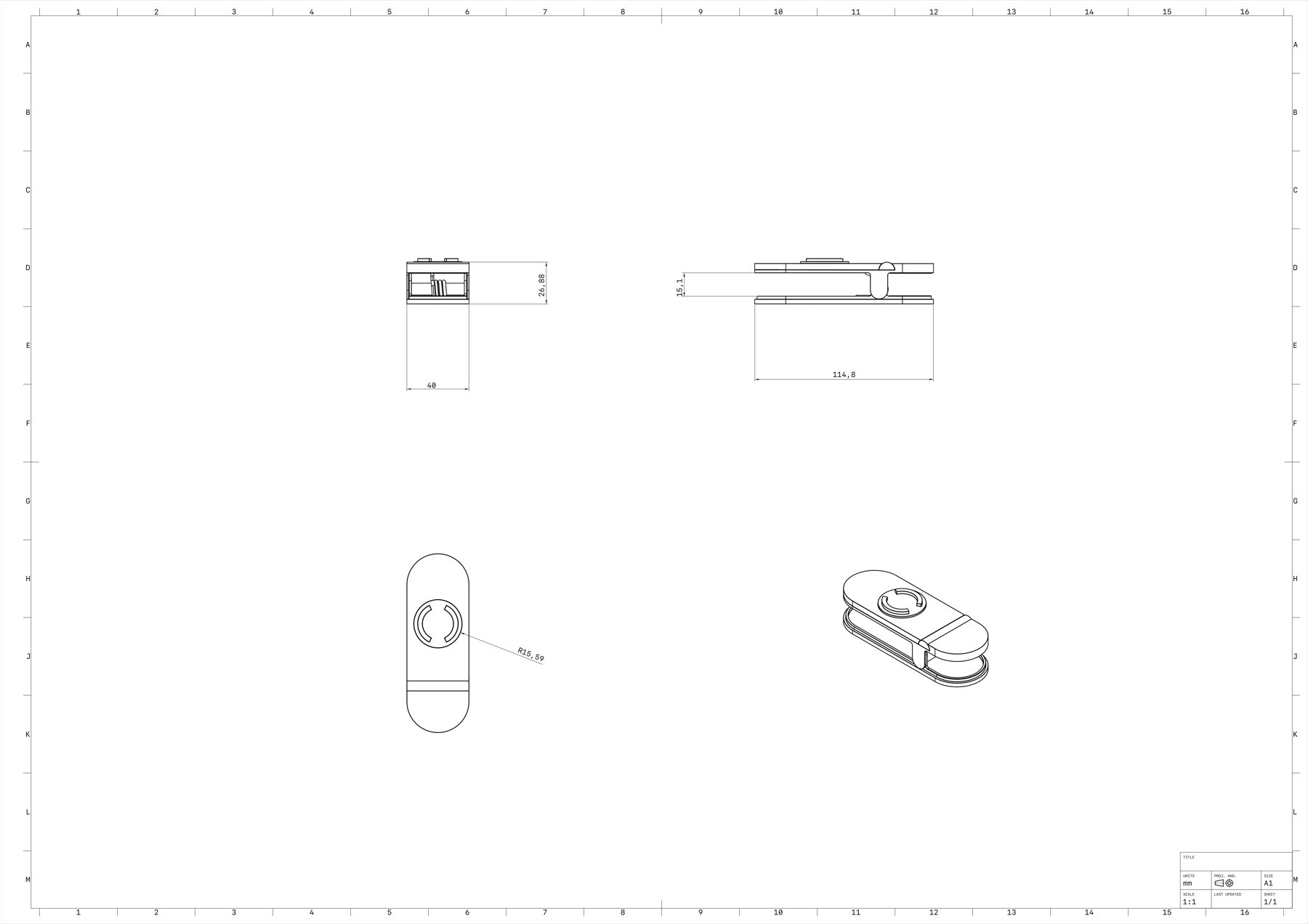
The device clips onto the boat and rotates to the coxswain's viewing angle, staying steady through the movement of the stroke. The clamp mechanism and angle detent were resolved down to the part.
03 — Interface
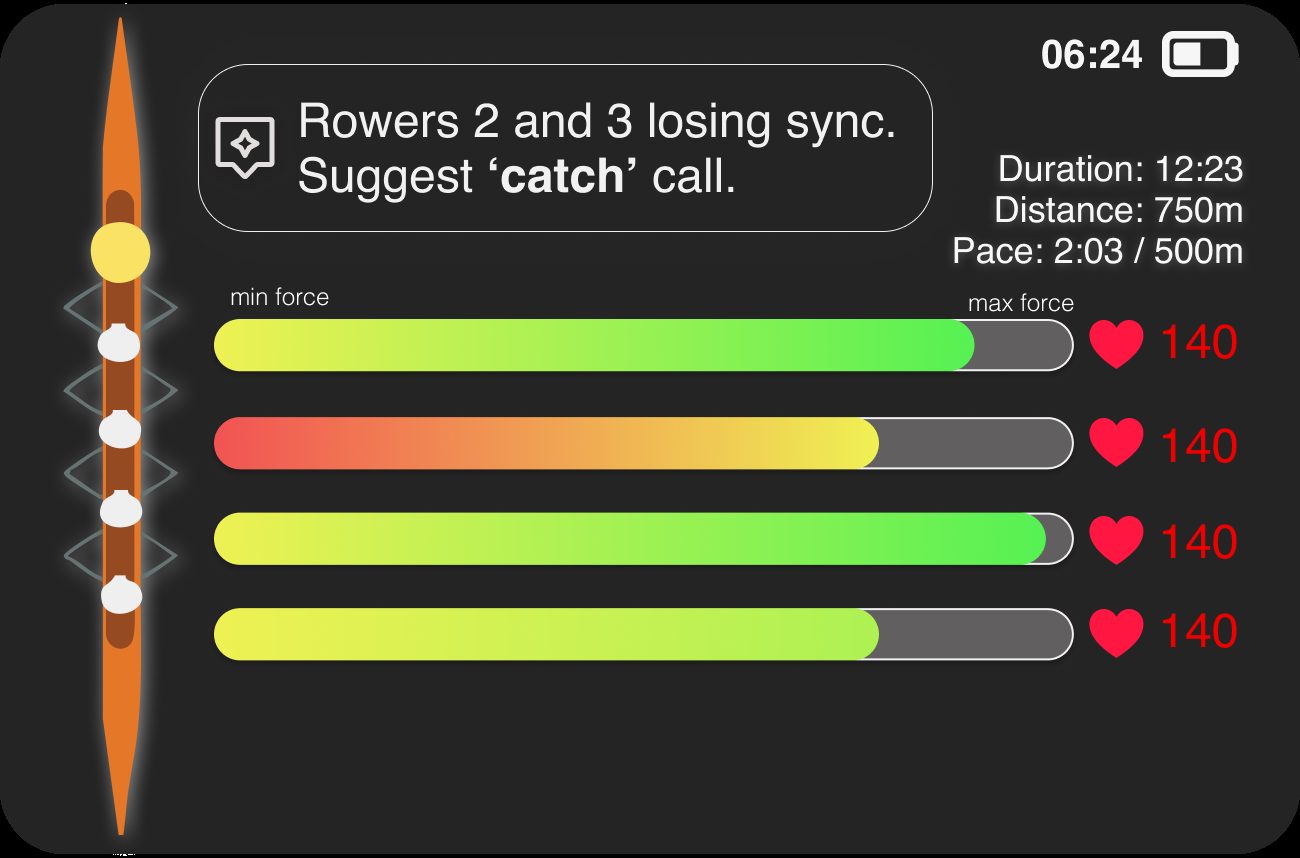
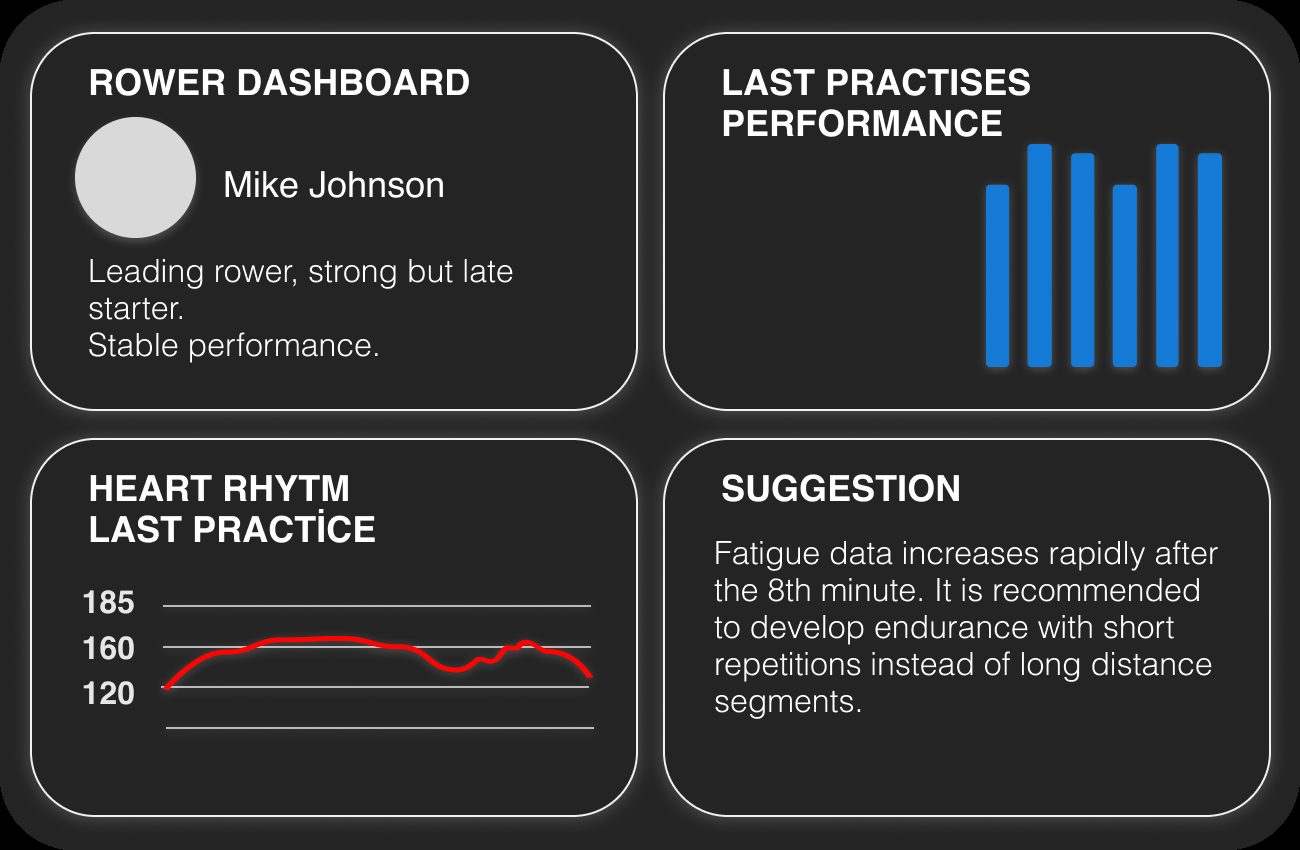
Two screen families — a live coach dashboard and simple rower feedback — navigated with a physical scroll-and-click knob and on/off button, so it stays usable with wet hands, in motion, in the open.
04 — Crew identity
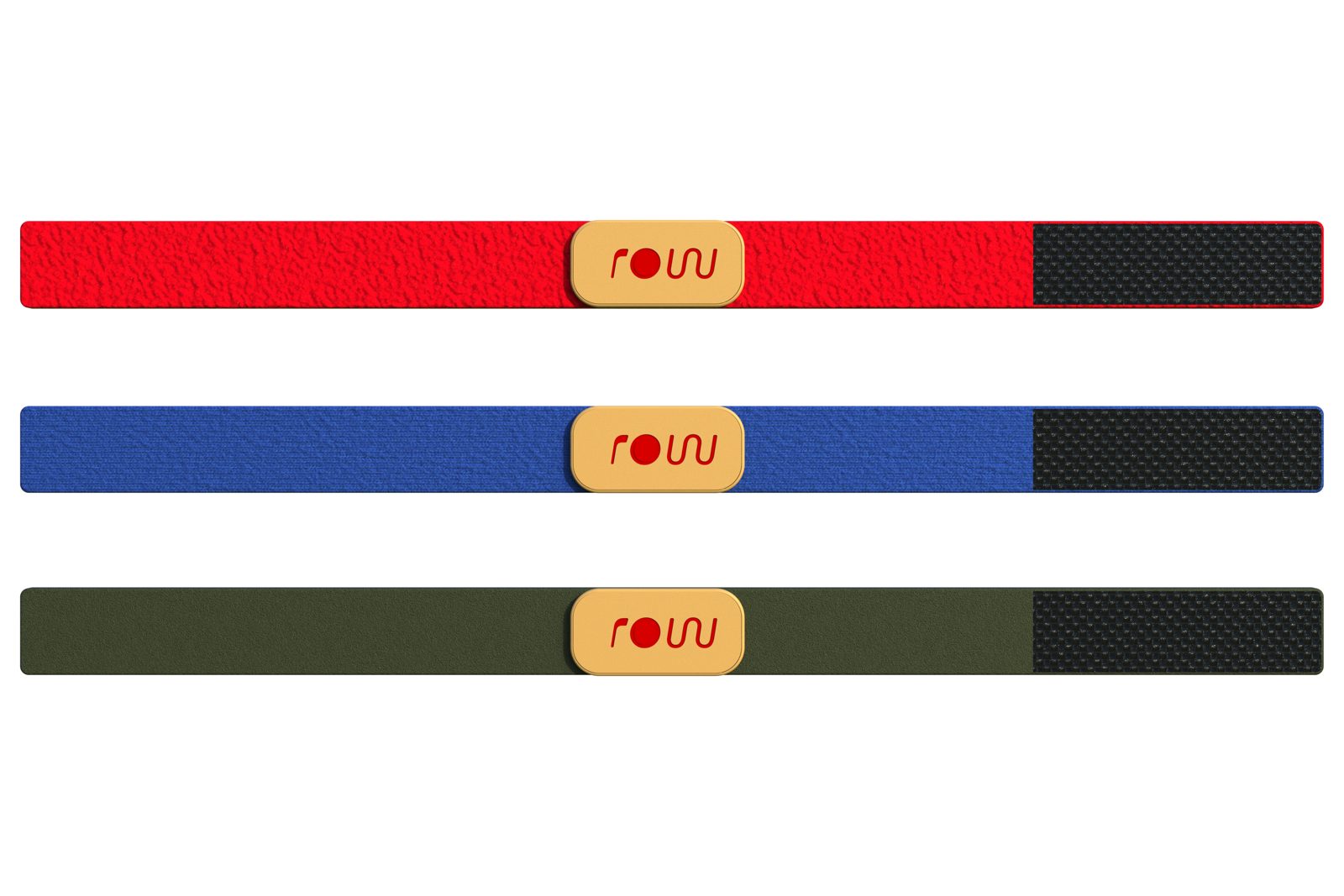
Color-coded wristbands act as visual signatures for each crew — reinforcing team identity while keeping the system readable at a glance. An adjustable velcro strap holds a stable, customized fit during dynamic motion.
05 — Materials & manufacturing
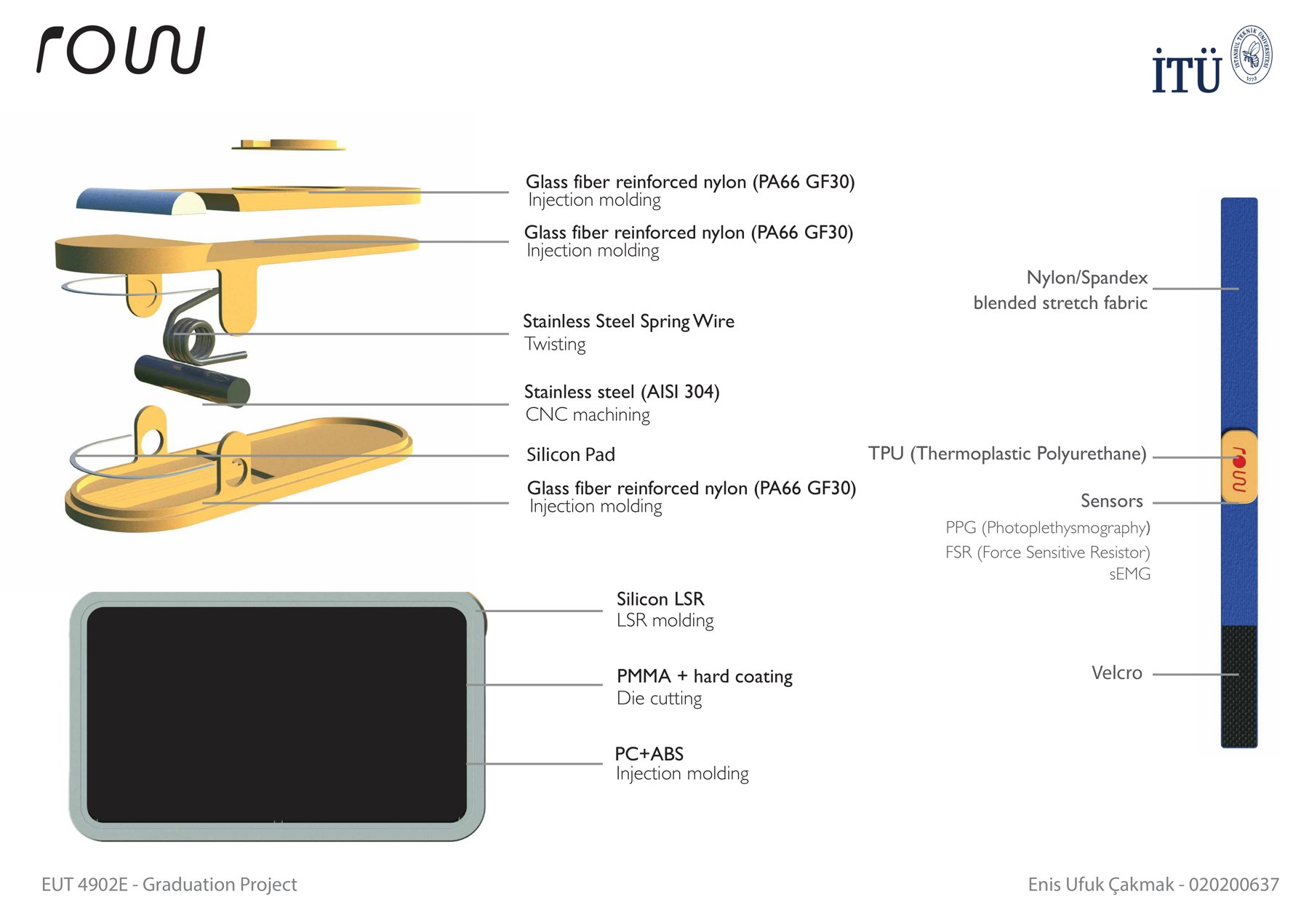
Every part was assigned a material and process: glass-fiber reinforced nylon (PA66 GF30) injection molding for the housing, stainless steel spring wire for the clamp, PMMA hard-coat lens, and a nylon/spandex band with embedded PPG and force sensors.